Lazio is home to places that tell, one after another, the story of Western civilization.
It all begins with the Etruscans . As early as the 9th century BC , they built cities for their dead in Cerveteri and Tarquinia , as large as cities for the living. They are among the first urban remains in Europe.
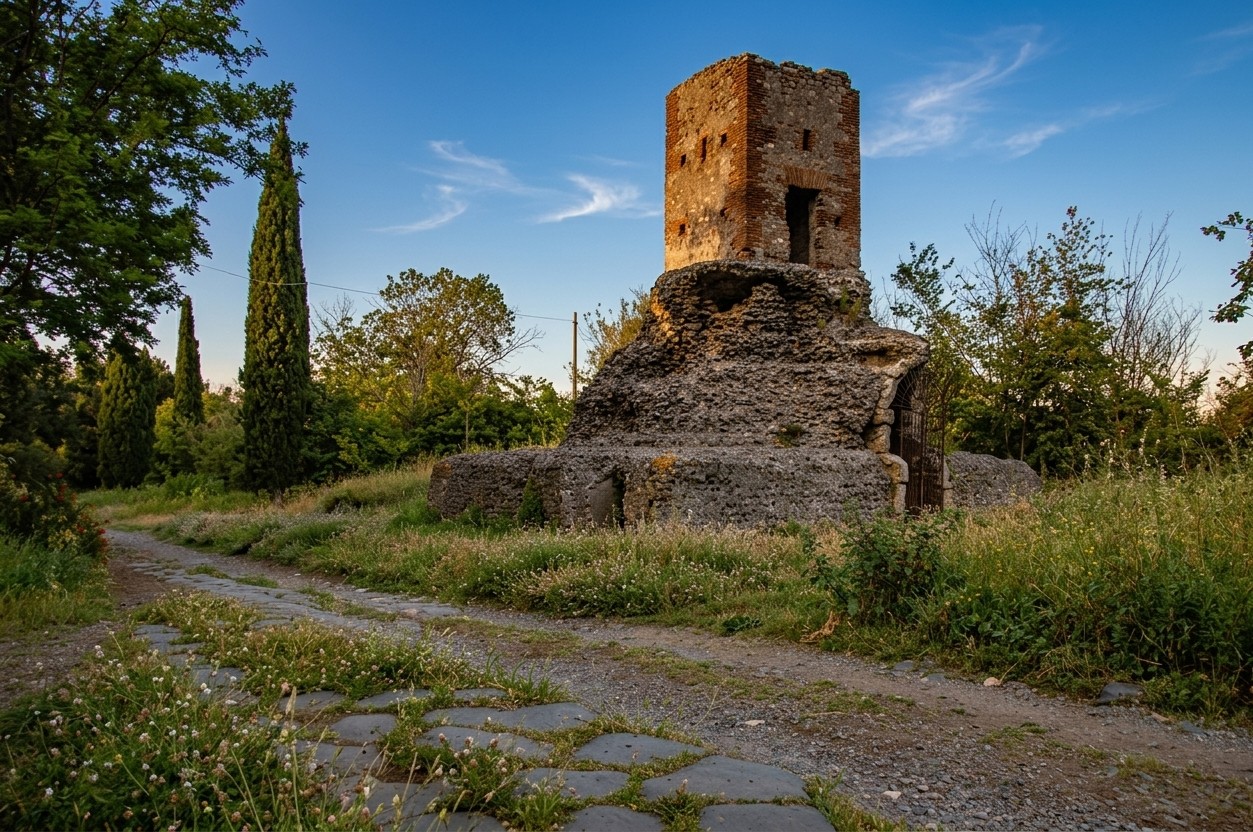
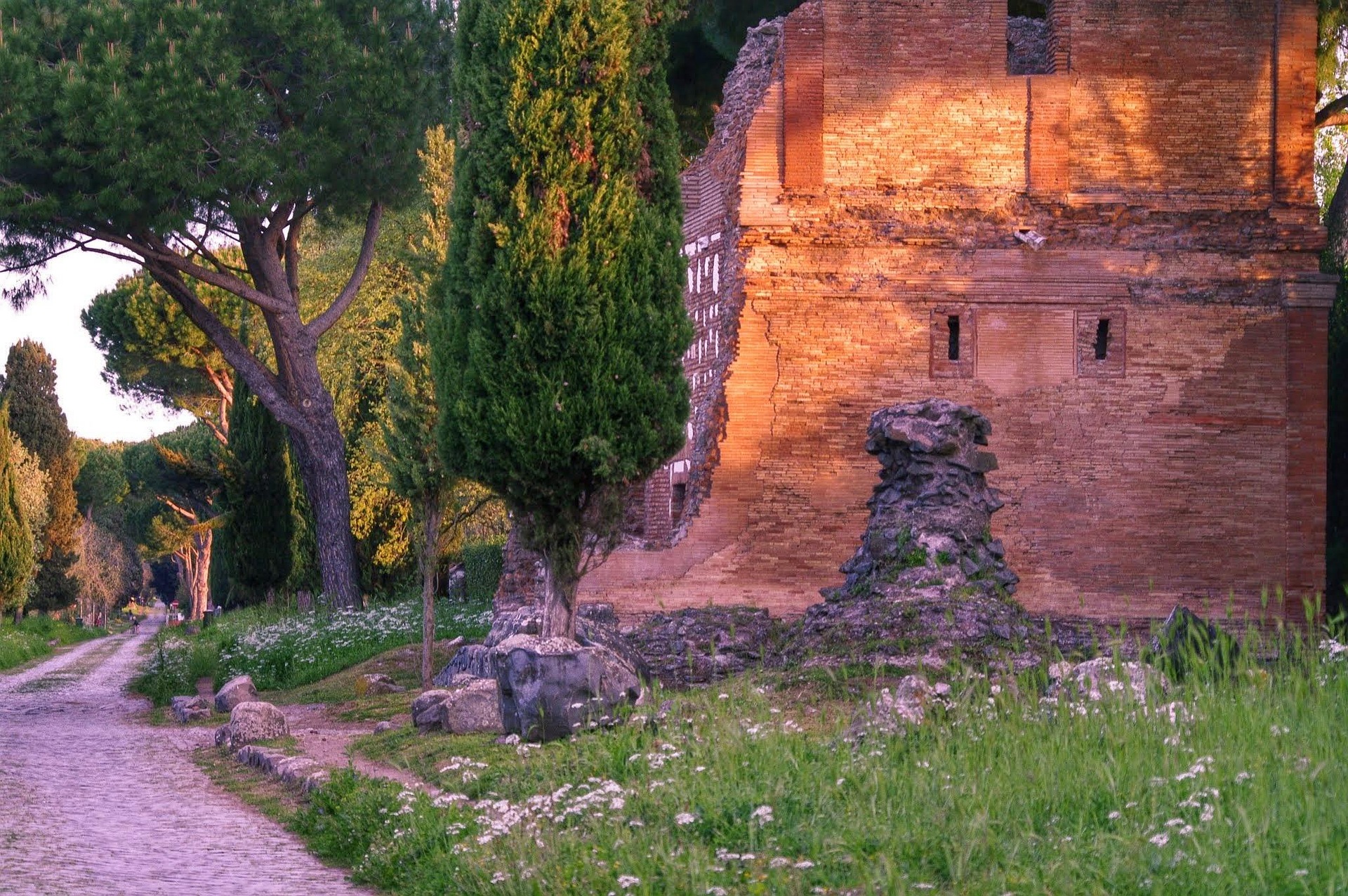
Then comes Rome. In 312 BC , the Romans built the Appian Way , the first major road in history. It connected Rome to southern Italy and became the model for all roads built over the next two thousand years.
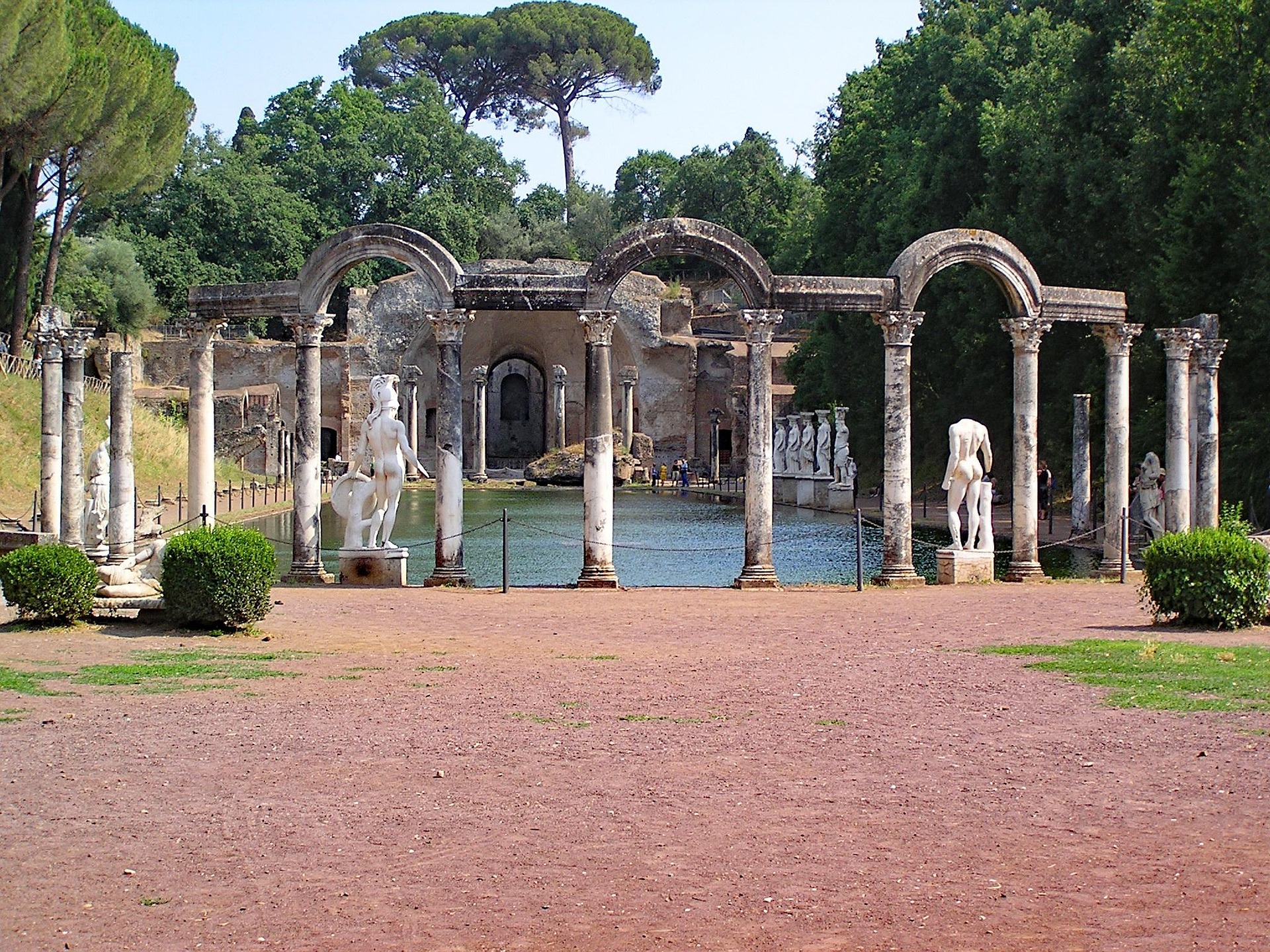
Seven centuries later, Emperor Hadrian chose Tivoli to build his villa. Between 118 and 138 AD , he created the largest imperial residence ever built here: a place that encompassed all the cultures of the Empire.
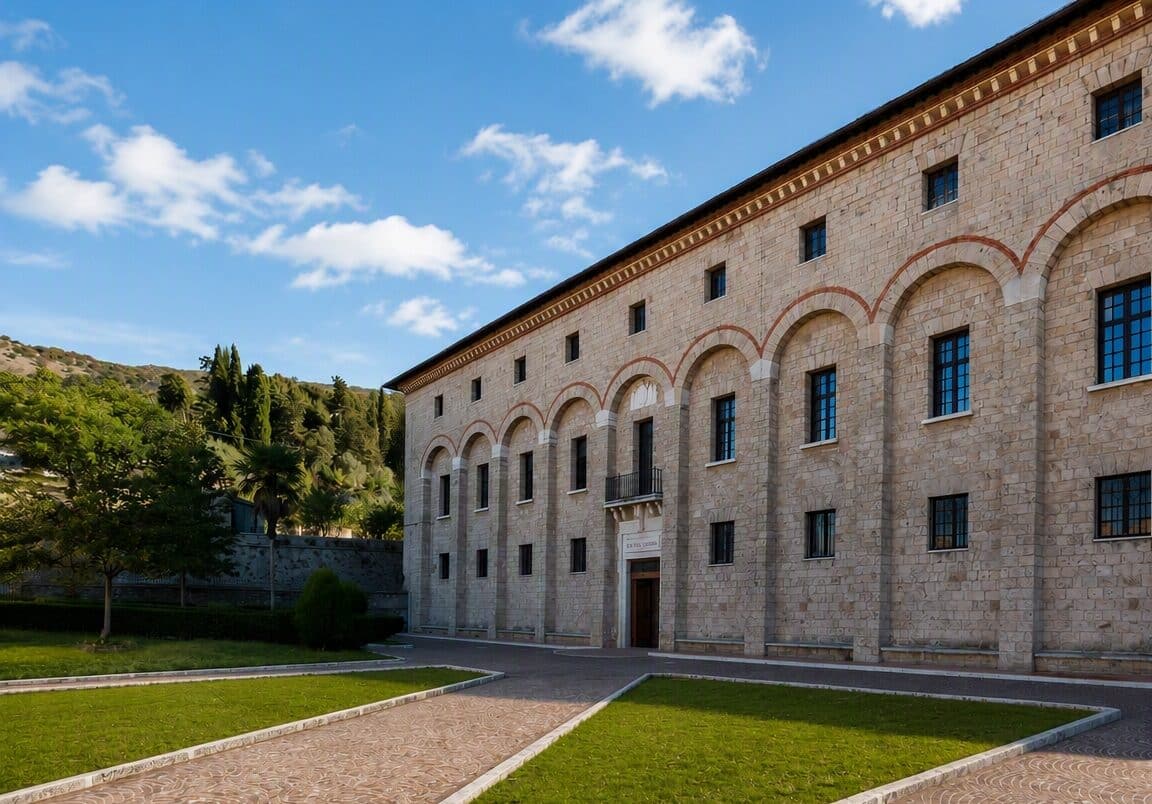
In the Middle Ages , Benedictine monks preserved and passed on ancient knowledge. The abbeys of Farfa and Subiaco became centers of culture for all of Europe.
During the Renaissance , a few steps from Hadrian's Villa , Cardinal Ippolito d'Este transformed water into art. Villa d'Este , built starting in 1550, would inspire gardens throughout Europe, from Versailles onwards.
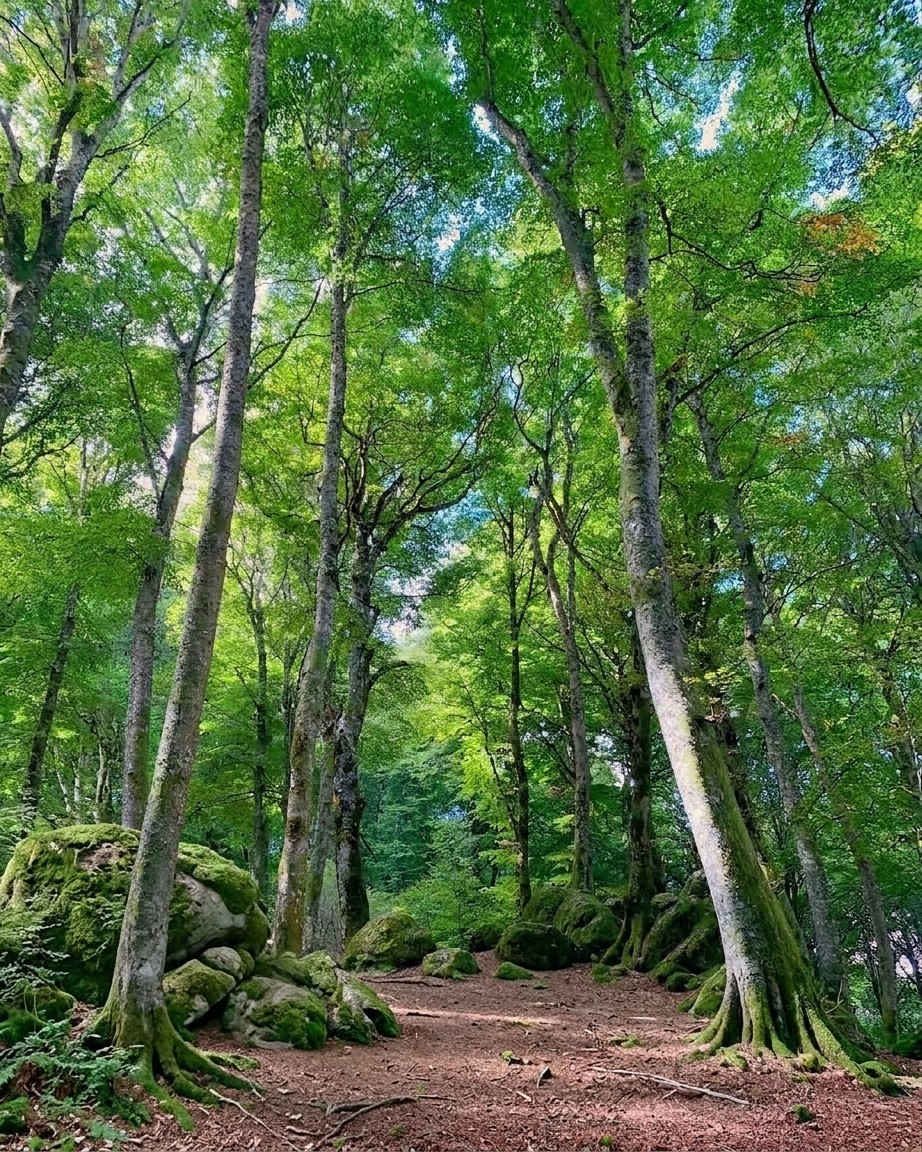
And nature? The beech forests of Monte Cimino and Monte Raschio are even older than any monument : forests that have grown continuously since the last ice age.
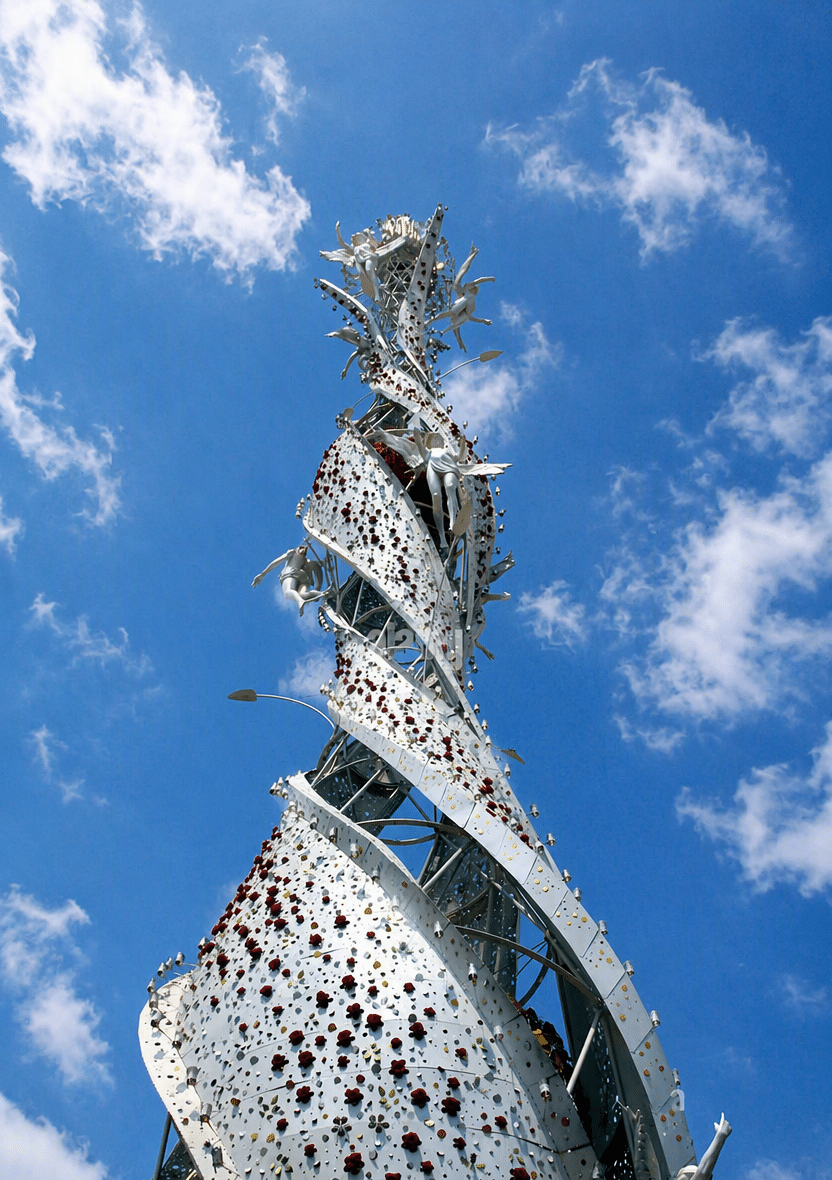
Finally, the traditions that still live on today: every 3 September , since 1258 , Viterbo has carried the Macchina di Santa Rosa in procession, a rite that has continued for over 750 years.
Eleven UNESCO recognitions. One territory. A continuous history stretching from the Etruscans to today—and which you can visit in a day, starting from Rome.